All set to begin your fitness journey but unsure where to start?
Before you take the plunge, it makes sense to ascertain your current fitness levels. Are you medically healthy to begin workouts?
Yes, that’s important for several reasons.
What if there are certain underlying health conditions that could get aggravated because of your workout?
These could include heart ailments, respiratory issues and many other ailments.
Injuries as also several lifestyle factors play a major role as we age. Hence it’s better to consult a healthcare professional to rule out concerns if any.
Your physician will be able to help you understand your current health status. And a workout plan can be chalked out accordingly.
Once that’s done, decide how much time you’d have on your hands to exercise. Is it one or two days or more?
Be realistic. In case you’ve never exercised at all, you could start off with two or three sessions a week as per your comfort level. A good one hour everyday will go a long way in keeping you fit.
Here’s letting you in on the first steps:
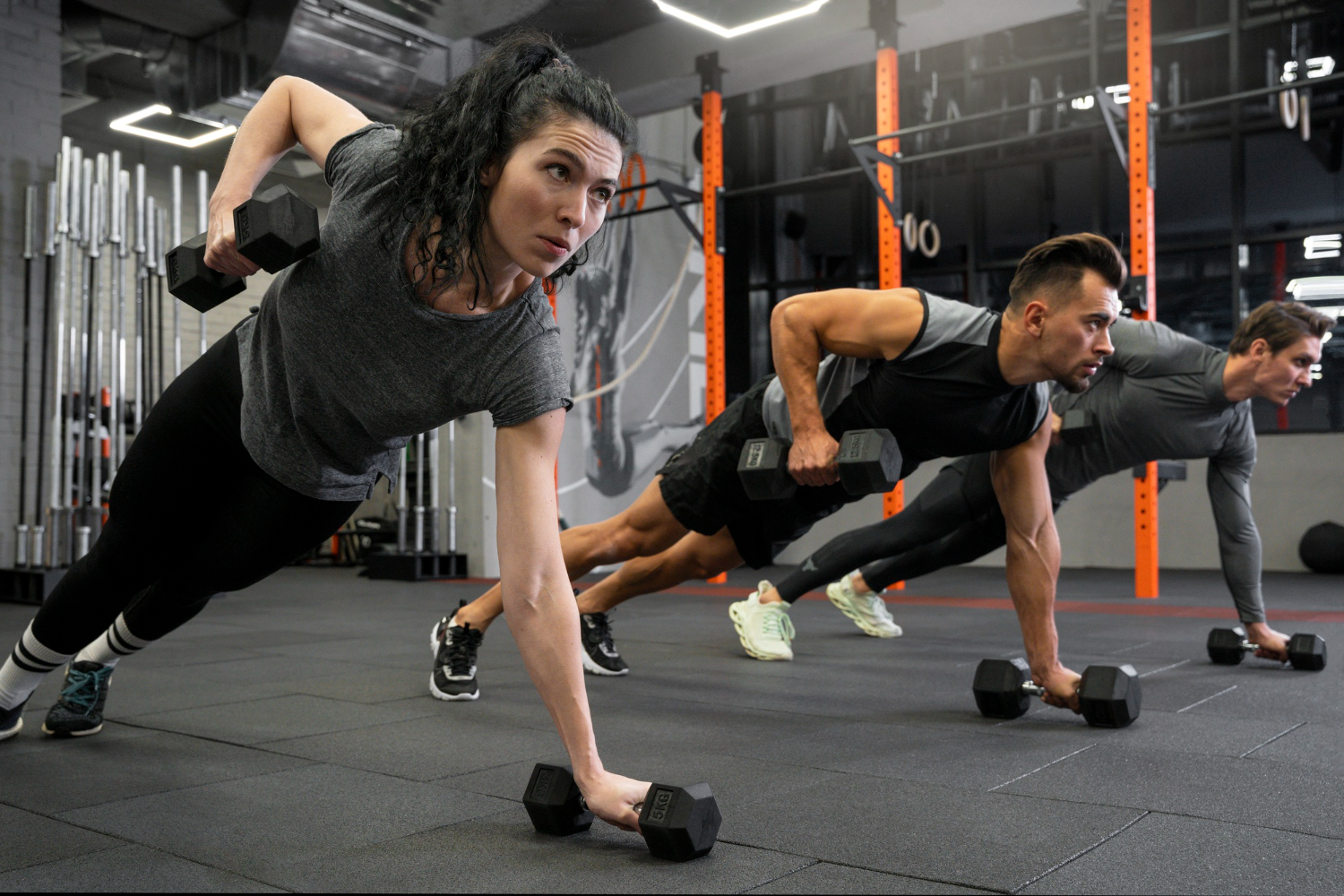
Set realistic goals:
Now get in touch with a professional trainer and set realistic goals depending on your age, health condition and fitness levels. And they better be SMART – Specific, Measurable, Attainable, Time-specific and Realistic
So what exactly is your aim? Is it weight-loss, increasing endurance or enhancing overall health? Or are you planning to run a marathon in the near future?
Whatever your reason be define your goal clearly to focus on the right workout training required.
Are you all set?
Let’s start off with a warm up exercise
Warm up exercise for beginners
May be you’re new to workouts or have got back to it after a long break.
Whatever your reason be, a good warm exercise of atleast 5-10 minutes is important before you take a straight dive-in. For, that helps increase heart rate, blood flow, helping you take in more oxygen, prevent muscle injury and bring in flexibility getting you ready for physical exercises.
So here we go with some active movements:
But before you actually dive in, hope you’re wearing comfortable workout clothes.
Wearing the right workout wear is as important as exercising right.
Pick outfits that are comfortable, sporty and those that offer maximum flexibility while exercising.
The sportswear industry is growing steadily and a whole range of clothing is available for men and women.
Whether you’re working out at the gym or at home, wearing the right sized clothing is important not just because it adds to your confidence but for the comfort offered while exercising. And of course your gym garments do make a statement.
- Avoid clothes that are too loose. They may come in the way of your workouts.
- Pick outfits that stretch right, are breathable and absorb maximum sweat
A good number of youngsters prefer cotton joggers that are stylish and durable.
Getting the right size of running gear is equally important. Ensure that you invest in the right one particularly if running a marathon is on your mind. The right support, good cushioning will go a long way in protecting your feet.
To start off in a simple way – take a walk if that’s what you choose and slowly increase your speed. A brisk walk, a jog or even running at a slow pace is good enough.
Here are some easy warm-ups for those who’d like to go a little further:
Get set to do a Jumping jack.
A jumping jack exercise helps increase stamina and releases stress not to mention the loads of benefits for your bones and heart.
Here’s how to do it:
- Stand with your legs together, extend your arms wide
- Stretch your legs out and in as you jump with your arms raised sideways and straight pointing upwards.
- Continue to count as you go
Also don’t forget the cool down exercises to avoid muscle cramps.
Getting the most out of Lunges:
Lunges are movements of the lower part of your body that tone up your muscle, increases flexibility and improves balance. Forward, reverse, side lunges are some types of lunges that you could try. Lunges engage several muscles, help burn calories and are an excellent lower body exercise.
So if you’re keen about losing belly fat, build muscle strength go for lunges
All set to do lunges? First stand straight with your arms sideways. Now move forward, bend your right knee and kneel with your left knee almost touching the floor. Lunges help your quadriceps, calves, hamstrings, glutes.
How Squats can benefit you
Apart from strengthening muscles and improving flexibility, squats help lose weight in a big way.
Squats offer numerous benefits – right from helping with weight loss to strengthening your lower body, supporting joint health or even increasing stamina.
There are various types of squats – Wall squat, Bulgarian squat, Sumo squat, Front squat, Goblet squat
A good home exercise minus equipments, squats are a good workout if you’re just starting off or even a regular at the gym.
Called King of exercises, squats work on the lower part of your body strengthening your joints, core, and glutes. Here are some benefits:
- Squats are a good workout for your hamstrings, quad muscles, calves
- They enhance muscle strength, joints and promote bone health.
- Squats make you more flexible
- They can help ease lower back pain if any
- Squats help burn more calories and improves mobility.
There are different kinds of squats –wall squat, back squat, front squat, partial squat, goblet squat and many more.
Here’s how you could do it:
- Stand straight with your legs apart, let your toes face straight
- Let your right hand touch your left shoulder and vice versa
- Now bend a little at the knees and rise again.
Doing Squats atleast thrice a week can help help your lower body muscles immensely